Workshop on Justice in Design

This workshop is a training program inspired by our experience and practice within the Design Justice and Safer Spaces frameworks. The overall goal of this training is to inspire participants to recognize how every project, service, and process is structured according to design principles. This design can be exclusionary, or it can take into account the experiences and needs of the communities and individuals affected by that project or process. The workshop encourages reflection on the power of designing more just and inclusive processes, and this applies to the fields of culture, participatory governance, platform design and development, and participatory processes.
Fair distribution of benefits and burdens
Fair Participation
Significant involvement
Recognition of Traditions
Identifying Forms of Oppression
People in the city center
Co-design and co-production
Raising Profound Challenges
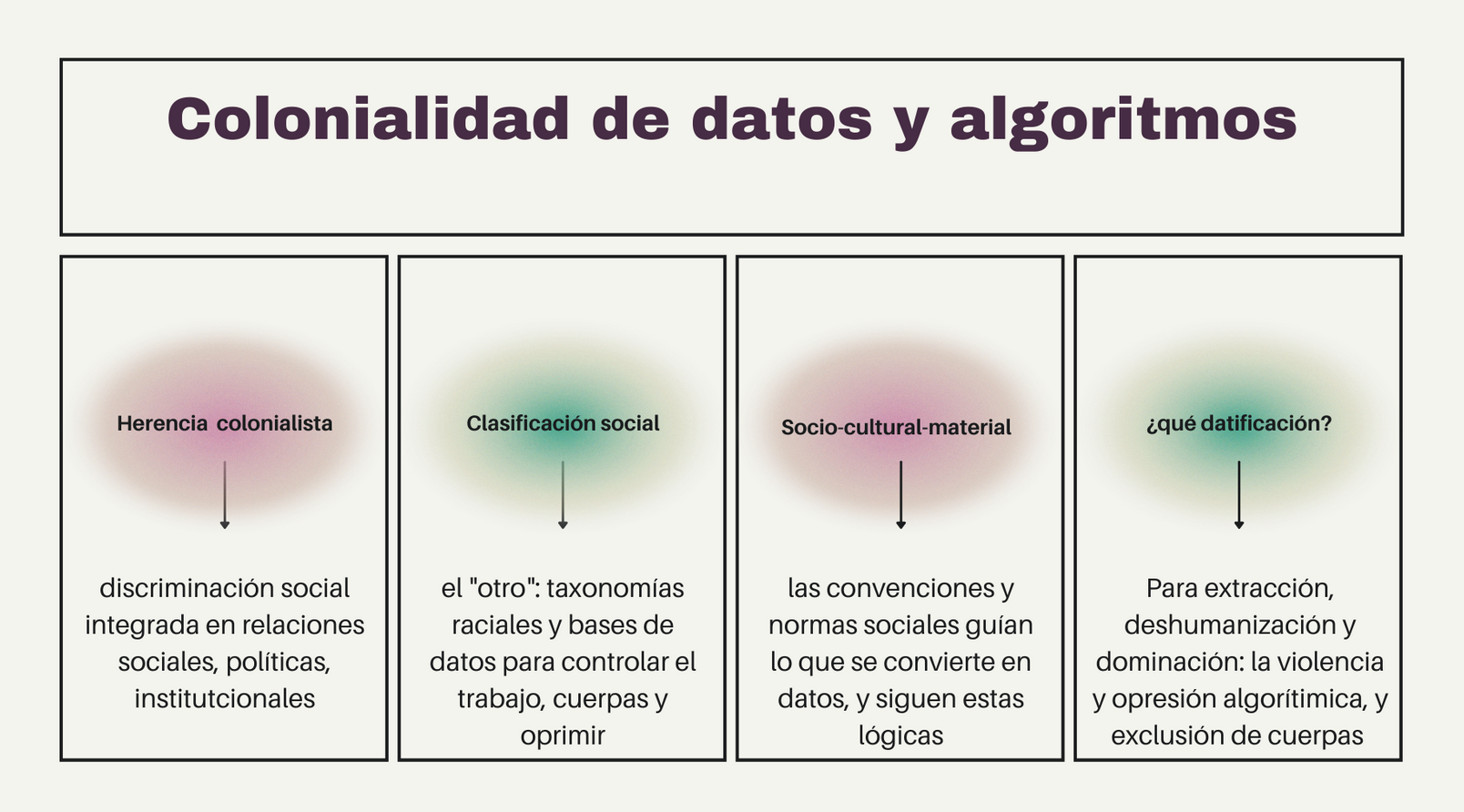
We apply the 10 points of the Design Justice Manifesto to artificial intelligence to speculate on futures in which we “cultivate” data ethically, rather than following the current model of data extraction.
Through a visual and narrative approach, and by drawing on references to the origins of algorithms—such as cartomancy (Dzodan, 2021)—we aim to explore, from a critical and anti-racist perspective, the impact of artificial intelligence on society and propose actions to transform our future. The activity will begin as a group session to quickly introduce the fundamental topics, followed by work in small groups. This format will allow the groups to analyze technological tools (e.g., Face ID, AI-based job interview platforms), explore key values and principles for addressing the challenges posed by the use of these technologies, and examine ethical issues related to AI. Next, we will work on mapping out and positioning ourselves as stakeholders along these timelines—whether or not we are technology experts—and explore how our experiences can contribute to the co-creation of more just futures.
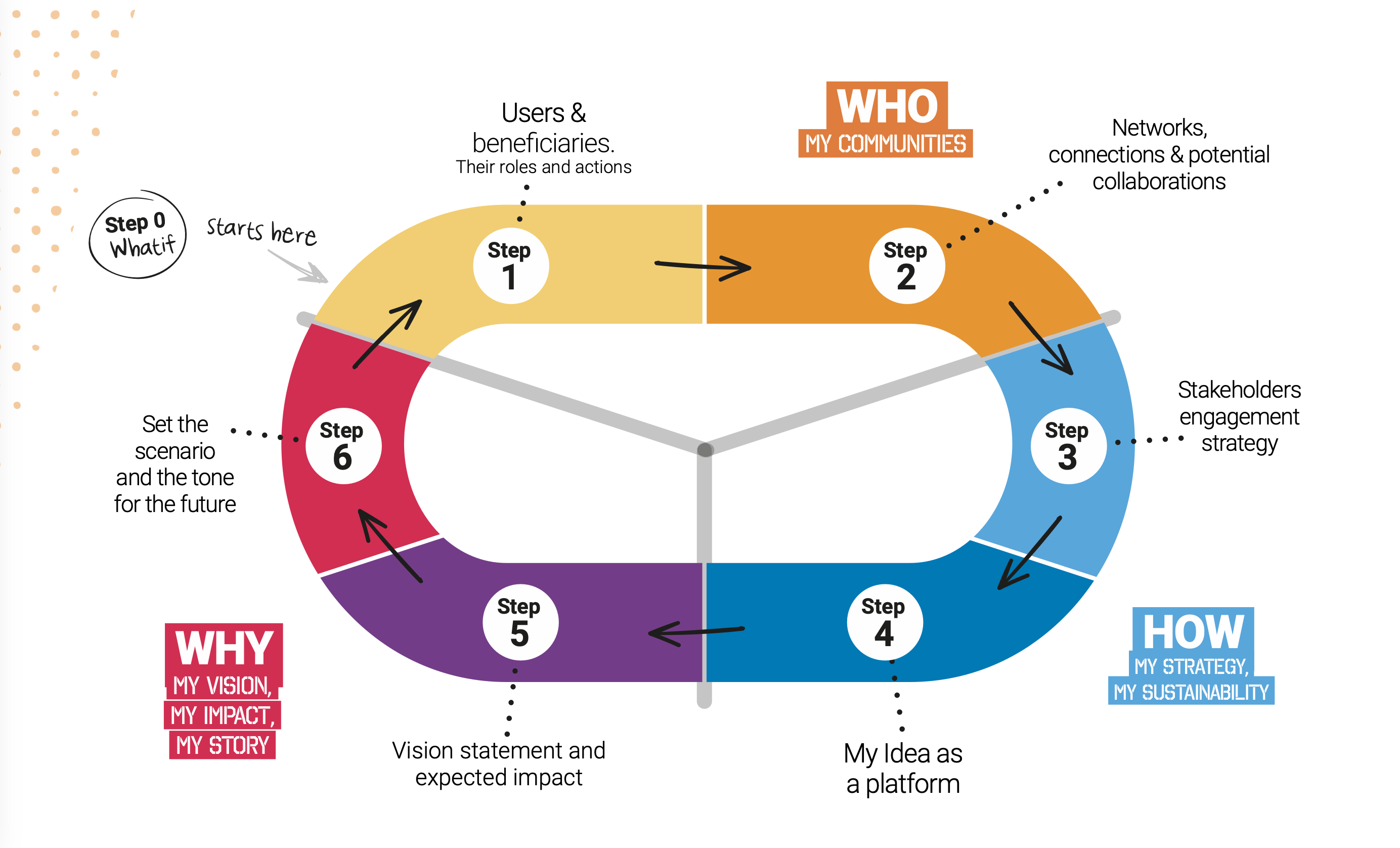
CultureLabs. Some of the key principles of Design Justice challenge the perspectives from which Platoniq has been—and continues to—build its processes, methodologies, and initiatives. For example, among the projects we are currently collaborating on, CultureLabs seeks to foster inclusive processes through the cultural heritage of different communities. The methodologies and interventions we have developed focus on building “bridges” for participation, grounding the co-creation processes in the lived experiences and priorities of the communities themselves. This means, for example, fostering co-creation processes that incorporate ongoing community participation into their structure, rather than treating participants as mere users or beneficiaries only at specific moments (“Designing WITH, rather than FOR”).
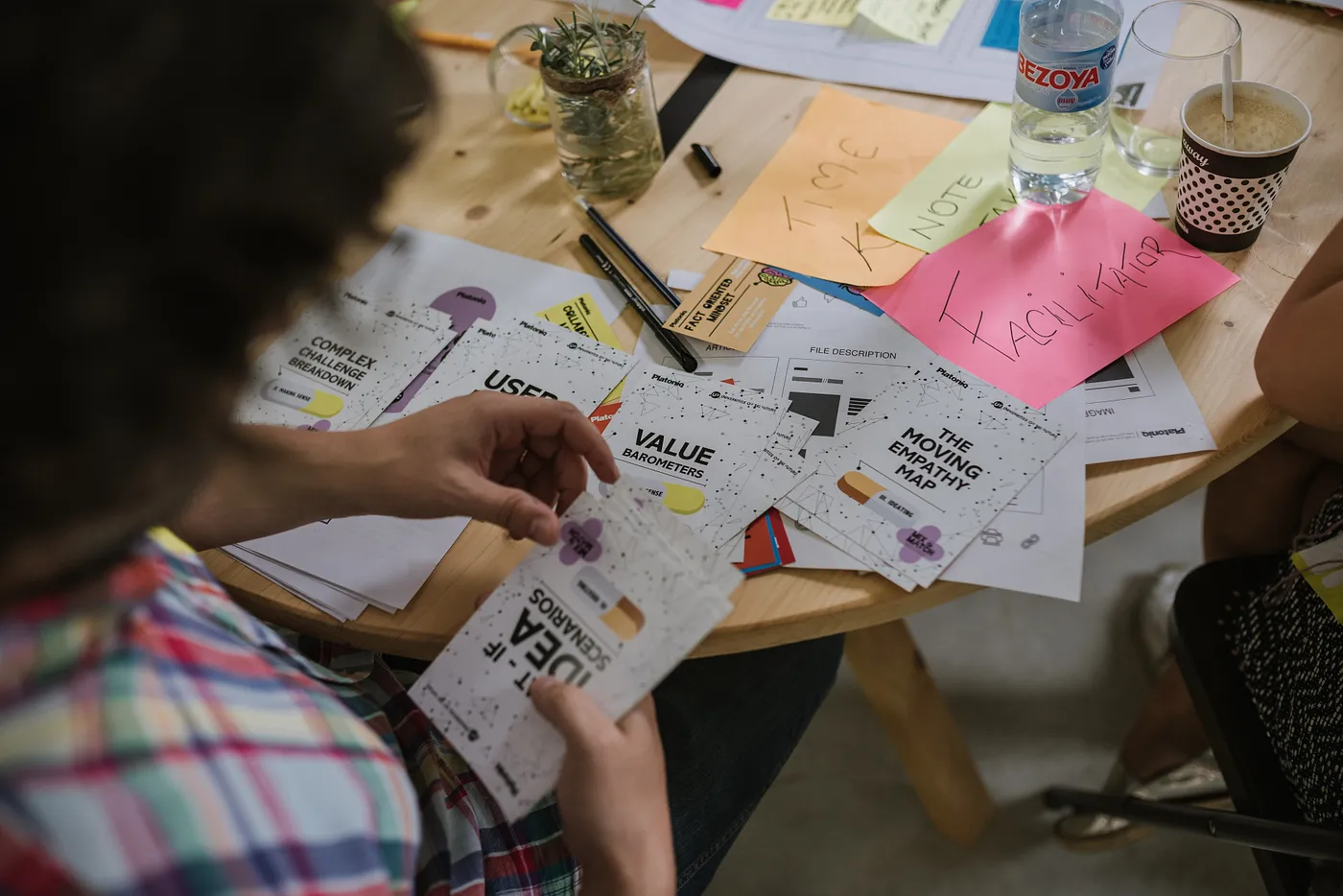
IdeaCamp. Other projects recently launched by Platoniq also strongly emphasize the role of those who develop projects in the communities affected by these interventions. At Idea Camp 2017, 50 Idea Makers from many European countries and neighboring regions gathered to advance their projects and exchange inspiration and ideas. Platoniq has developed methodologies that helped transform these ideas into advanced projects and has focused its approach precisely on critical perspectives regarding roles within communities, prioritizing the impact of the processes over the intentions of the creators and fostering a fertile environment for sharing knowledge and tools.