Train the Trainers + Playbooks

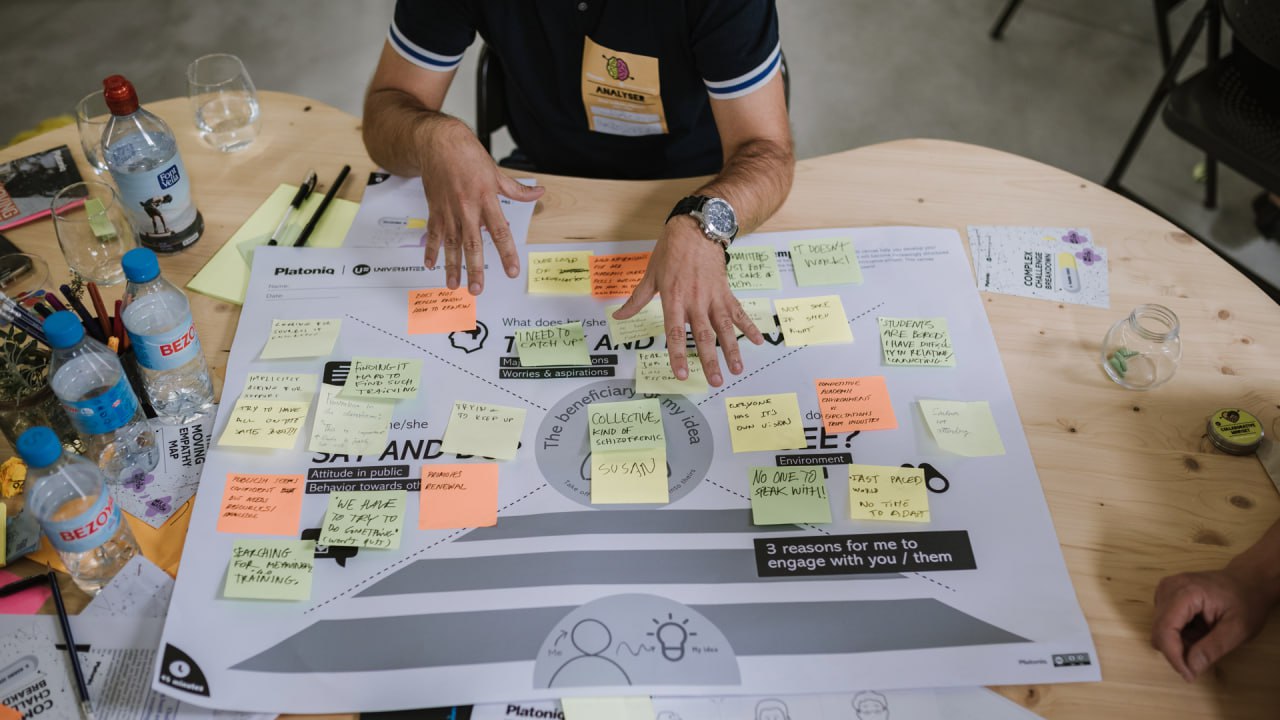
This training is designed for facilitators to help them lead events, workshops, or participatory processes. Among the training’s objectives is to create a group of participation facilitators who are capable of guiding the group through a series of methodological steps and helping them achieve expected results, in an environment where participants feel as comfortable as possible to participate and where exchanges, debates, moments of co-creation, and explorations of unfamiliar territories and concepts take place, etc.
Align Objectives
Understanding Shared Responsibilities
Overview of the Process
Addressing Complexity
A mix of learning styles
Group Cohesion
This is a modular training program, depending on the specific content and focus of the event or workshop. It can take place in person or online, depending on the nature of the collaboration and the geographic reach of the team. Whenever possible, it is always advisable to hold at least one in-person preparatory meeting to address questions as effectively as possible, but also to foster cohesion among the facilitation team, as this often has a significant impact on the event’s success.
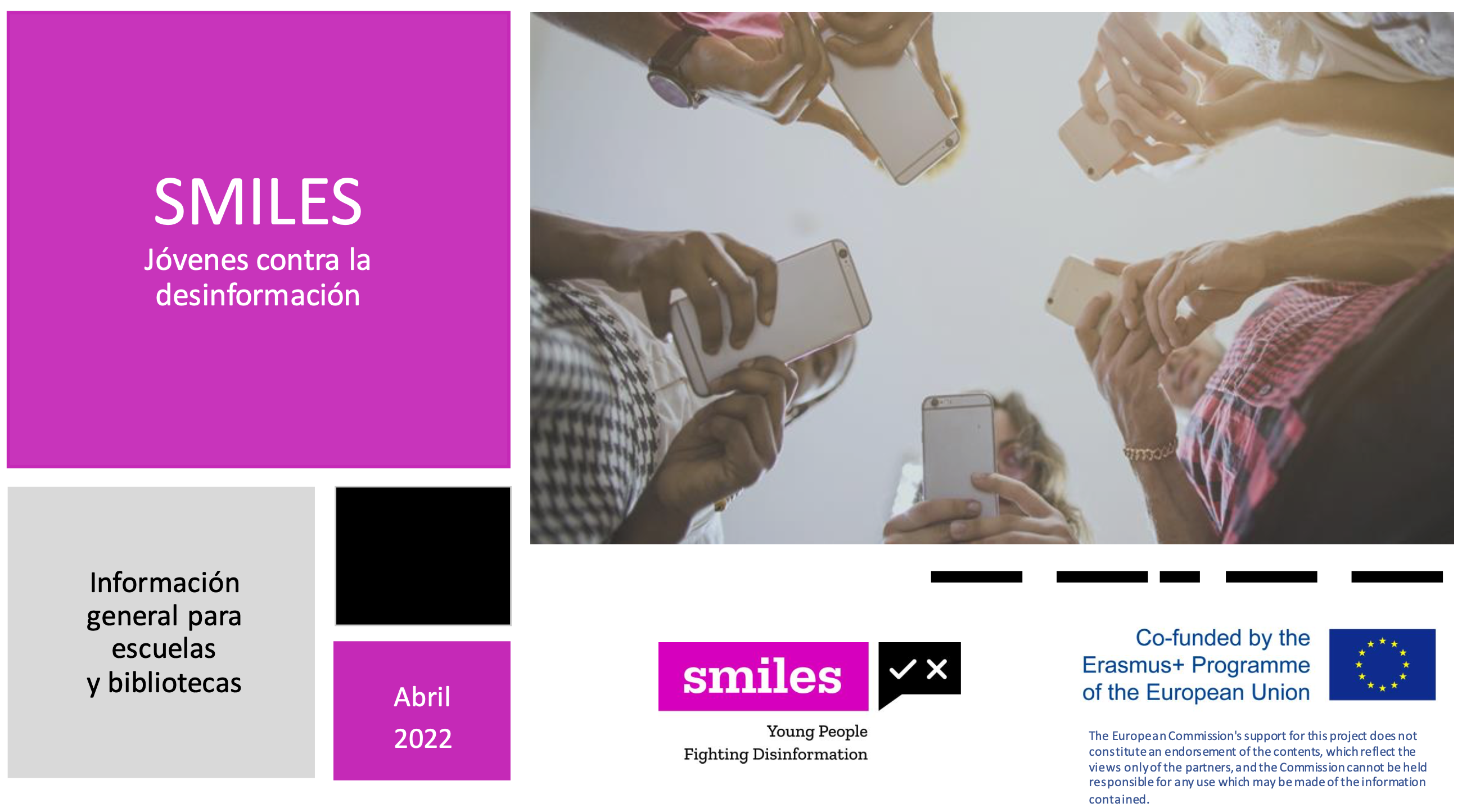
SMILES. The SMILES project aims to test innovative educational approaches in the form of workshops on fake news in middle schools, led by teachers and librarians, and to monitor their effectiveness. The project’s methodology is a “train-the-trainer” program, in which teachers and librarians are equipped with the knowledge, skills, and materials needed to conduct workshops for secondary school students (ages 12–15). Specifically, 60 teachers and librarians have been trained to organize “fake news” workshops for young people and will conduct these workshops in secondary schools in Belgium, Spain, and the Netherlands for 600 young participants. The overall goal is to improve digital literacy in secondary schools and empower young people to use digital technology critically. https://smiles.platoniq.net/
Be part. Based on concepts such as youth-led development, models of youth participation, co-creation, project-based learning, and youth empowerment, the training aims to prepare teachers to better understand these key concepts, as well as participatory methodology and issues of power and status. The training challenges traditional roles and invites teachers to move beyond “participation washing”: by becoming “teacher-facilitators,” they can support their students in bringing about real change.